- UEI: Z66VQCUPCGL3 CAGE: 9UK94
- +1 844-539-2555
- Sales@NationalBatterySupply.com

Li Polymer Battery Safety: What to Watch For
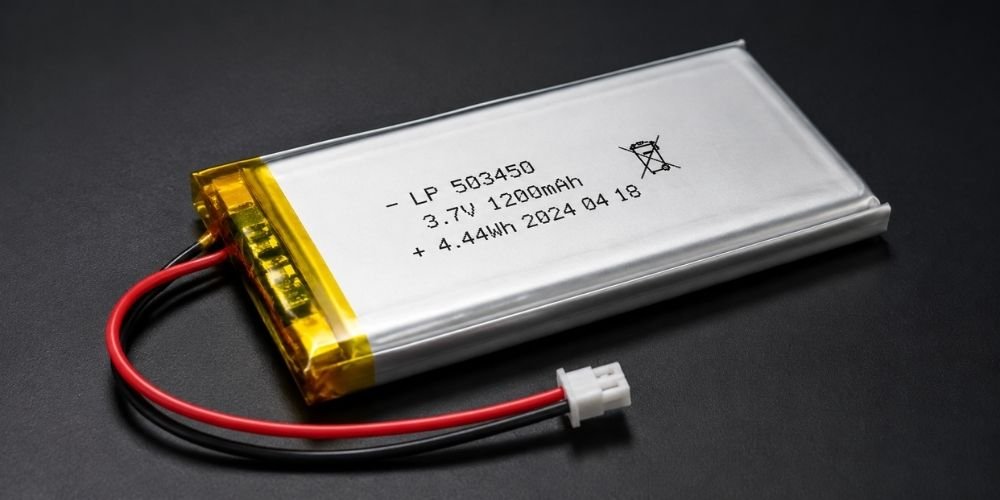
A Li polymer battery rarely goes from normal to obviously bad without giving some clues first. The change may be small. A pouch starts sitting a little higher in its tray. A battery comes out of a drone warmer than usual. A device that normally runs for an hour suddenly gives up much sooner. None of those signs should be brushed aside.
Anyone comparing compact battery options through National Battery Supply will notice that LiPo packs come in many shapes, voltages and capacities. That flexibility helps in tight spaces. It also means the battery has to suit the device rather than simply fit the plug.
Why LiPo Packs Need Care
LiPo batteries store a lot of energy in a light pouch. That pouch saves space, but it does not protect the cell the way a rigid metal case can.
A hard landing, a sharp edge inside a battery bay or pressure from a cover can damage the internal layers. The outside may still look fairly normal. Trouble sometimes appears later as heat, swelling or a cell that no longer stays balanced.
If serious internal damage causes a short, the battery can heat very quickly. Thermal runaway is the extreme outcome. Smoke, hot gas or fire can follow. Careless charging or damaged packs raise the risk.
Small Changes Matter
Swelling is the sign most people notice first. The pouch may look rounded where it used to be flat. It may feel tight in a compartment that never caused trouble before.
Torn wrapping, split seams, damaged wires, a burnt smell or one unusually hot area can also point to a problem. A questionable pack should be taken out of normal use.
Pressing a swollen battery flat does not repair it. The shape has changed because something inside the cell has changed.
The article on Li-Ion vs Li-Polymer batteries gives useful background on why the softer pouch changes how these batteries handle pressure and impact.
Charging Is Where Mistakes Happen
A charger should match the chemistry, cell count and voltage shown on the battery label. The connector alone is not enough.
A 2S pack does not charge to the same final voltage as a 3S pack. Multi-cell batteries also need proper balancing so one cell does not rise too far while another trails behind. National Battery Supply’s guide on how to charge a Li polymer battery covers those basics in more detail.
Charging on a bed, sofa or pile of papers adds fuel around the battery if something goes wrong. A nonflammable surface is better. The pack should stay where someone can notice unusual heat, swelling or smell while charging.
A battery straight out of hard use may already be warm. Putting it immediately back on charge adds heat before the pack has settled. Letting it cool first is a small habit that makes sense.
Heat Is Easy to Underestimate
A parked vehicle is a common example. The battery may have been fine when it was left there, yet the inside of the vehicle can become far hotter than the surrounding air.
Direct sun, heaters and closed equipment cases create similar conditions. Heat can age the battery faster and make an existing fault worse.
Cold conditions need their own caution. Charging limits are not identical across every LiPo pack. Manufacturer instructions should decide what is acceptable.
Shorts Happen Fast
Loose connectors are easy to overlook. If exposed positive and negative contacts touch, current can move almost instantly. A metal tool across the terminals can create the same problem.
Batteries should not sit loose beside keys, screws or other conductive objects. Connectors need protection during storage and transport.
Fit inside the device matters as well. A pouch that has to be pushed hard into place is already under unnecessary pressure. A lid pressing against it every time the device closes can slowly damage the pack.
After a crash, a battery can look usable and still deserve a closer look. Drone and RC packs are good examples. A hard impact may leave no obvious tear, yet the next charge can reveal extra heat or poor cell balance.
Storage Can Be Too Casual
Many LiPo packs are not meant to sit fully charged for weeks. A storage charge is commonly used for longer breaks, although the correct setting should come from the battery or charger maker.
The storage spot should stay cool and dry. Heavy objects should not rest on the pouch. Sharp tools should not share the same drawer. A battery left untouched for months still needs an occasional check.
Know When to Retire a Pack
A LiPo battery does not need to smoke before it counts as finished. Repeated overheating, swelling, damaged wiring, unstable cell balance or a sudden drop in normal runtime can be enough.
Damaged lithium batteries should not go into ordinary household rubbish. Local battery recycling rules matter because a damaged pack may still hold enough energy to create trouble during handling or transport.
Home repair is rarely worth the gamble. Cutting the pouch, puncturing it or trying to release gas can make the situation worse.
Conclusion
Good li polymer battery safety is mostly about catching small changes early. Correct charging, sensible storage and careful handling do far more than complicated routines.
When a replacement is needed, Li Polymer Batteries should be matched by voltage, cell count, capacity, discharge needs and the device maker’s specifications. A correct match avoids fit problems and charging mistakes later.
Featured Posts
Request more information
National Battery Supply delivers dependable energy storage solutions tailored to commercial, industrial, and government applications. Our catalog ranges from custom battery manufacturing and UPS systems, portable power stations, to high-capacity solutions like whole-home battery energy storage systems (BESS) and scalable containerized energy storage units- engineered for reliability, flexibility, and rapid deployment.
We support critical infrastructure, telecom, data centers, healthcare, and remote operations with power systems built for performance in demanding environments. Whether it’s deep cycle batteries, lithium forklift replacements, OEM portable power kits, solar backups, and large-scale energy storage systems. We provide tailored solutions with short lead times, custom branding, and bulk pricing.
Our team also specializes in helping integrators, resellers, and developers source complete battery systems for residential microgrids, off-grid power stations, and industrial container setups. Whether you need to back up a home, energize a remote site, or manage facility-wide loads, we have the scalable energy storage options to match.
Contact us today to learn how our advanced power systems can reduce downtime, extend operational capacity, and support your long-term energy goals.

National Battery Supply is a reputable manufacturer specializing in custom battery solutions. With over 20 years of experience, we can manage all your power needs.
Batteries
Compliance
Copyright 2026 © National Battery Supply | UEI: Z66VQCUPCGL3 CAGE: 9UK94