- UEI: Z66VQCUPCGL3 CAGE: 9UK94
- +1 844-539-2555
- Sales@NationalBatterySupply.com
How to Dispose of AA Batteries Safely?
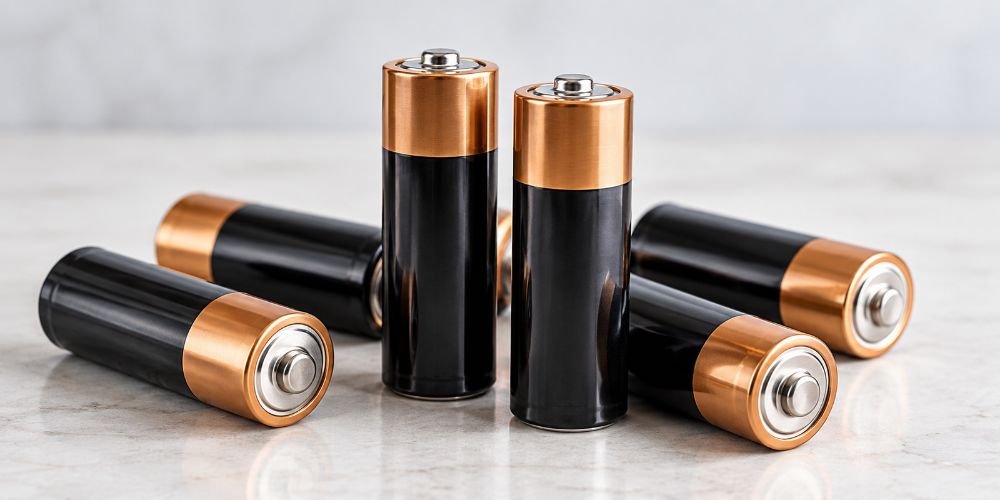
A dead AA battery generally ends up in a kitchen drawer. There may be six of them lying about with extra keys and old receipts, a few months. Someone eventually clears it out and the issue is, should they belong in the garbage or someplace else?
It is contingent upon what’s in the battery. There is no one rule on the topic of how to get rid of aa batteries. Of all the many battery types National Battery Supply stocks, the case size only reveals half of the story.
First, Read the Label
AA is a size. It doesn’t mention whether the battery is alkaline, lithium or rechargeable. The identical lamp may fit into two cells but needs totally different disposal techniques.
Most disposable AA’s are designated alkaline or zinc carbon . Rechargeable ones are usually labeled NiMH, sometimes NiCd. A lithium AA might be a one-time lithium metal cell ora rechargeable design that has its own charging mechanism. The color of the case matters less than the wording on the case.
If the label is faded, it’s a tougher task. If you can’t identify the chemical, a local battery recycler is a safer place to inquire than in a domestic waste. The site’s advice to securely recharging AA batteries also explains why you should never put a regular alkaline cell into a charger.
Can Alkaline Aa Batteries Be Thrown In The Trash?
In many parts of the U.S., conventional alkaline and zinc-carbon AAs are permitted by law in domestic waste. The Environmental Protection Agency does, however, encourage recycling where there is an appropriate scheme.
Location is the key caveat. For example, in California, home batteries are not allowed in the regular trash. Some localities and trash firms have their own collecting rules abroad. A person migrating from State to State should not presume that the regulations followed him.
Even if garbage disposal is authorized, the curbside recycling container is not the right one. It is intended for objects such as paper, glass and containers, not loose batteries which need to be sorted separately.
An outdated tip posted online is often less reliable than a municipal garbage website. It should describe what a local home may throw out in their everyday rubbish.
Collection Point for Rechargeable AAs
NiMH and NiCd batteries might appear identical to regular AAs. They are designed to be recharged but they also have to be properly recycled when they can no longer retain a charge.
Neither should go in the kitchen garbage or combined household recycling. They may be accepted via a battery collection box, participating store or residential hazardous waste program. Not every shop has every chemical, so you should verify the local store before making a trip.
National Battery Supply’s line of Rechargeable USB Batteries serves as another reminder that not all rechargeable cells are created equal. The way it’s charged may be different, but nevertheless old rechargeable batteries need to be treated according to their chemistry.
Why Lithium AAs Need Special Care
The term lithium is easy to overlook on a battery that seems almost similar to the alkaline cell alongside it. But lithium batteries are a major fire danger if their terminals short orif the cells are crushed during garbage collection.
Single use lithium metal AAs and rechargeable lithium-ion AAs should be taken to a qualified specialized battery collection service. They must never be thrown in the domestic garbage or regular curbside recycling.
Before transportation, the terminals should be wrapped with nonconductive tape (e.g., electrical tape). Alternatively, each cell may be packed in its own plastic bag. The label should be legible so the recycler can recognize it.
Hot, damaged or swollen lithium batteries need specific guidance from the manufacturer or municipal hazardous waste program. It shouldn’t be thrown in a regular shop collection box.
Safe Disposal of Used Batteries
Not a good location to hold is the old biscuit tin beneath the sink. Loose batteries may come into contact with coins or other metal items. Water and heat bring unwarranted danger.
A better regimen is easy:
- Store used cells in a cool, dry location away from children.
- If the labels are legible, arrange by their chemistry.
- Cover the lithium battery connections with nonconductive tape or place each battery in its own bag.
- Ask the collection program about the best way to treat damaged or leaky cells.
An exhausted battery is not always electrically dead. It is a poor idea to test it by touching the ends together, Even a used battery may have enough energy to create damage.
Do not touch leaking batteries with bare hands. The residue may irritate the skin. It’s important phoning ahead if a cell is broken since it may require different packing than undamaged batteries.
There is no need to build up years of dead cells. A container that no one recalls checking is more difficult to handle than taking in a modest collection from time to time.
Find A Place That Really Takes Them
It is not quite as easy to recycle batteries as it is to take bottles to the grocer. Some collecting boxes are rechargeable only. Other people take alkaline batteries as well. The batteries indication doesn’t always convey the whole picture.
Find drop-offs in the United States using the Call2Recycle directory and local government trash sites. First choose the battery type, then the location and confirm the acceptance conditions.
Would rechargeable batteries be worth it for homes who replace AAs a lot? Could cut down on future waste. That’ll reduce the quantity of cells you trash. If the gear allows them and if you use the right charger, that is.
Conclusion
Old AAs should be sorted by chemistry before anything is thrown away. Alkaline disposal depends on local rules. Lithium and rechargeable cells need dedicated collection.
The same distinction matters with larger batteries, including LiFePO4 Batteries used in energy storage. Different chemistry means different end-of-life handling, regardless of battery size.
Featured Posts
Request more information
National Battery Supply delivers dependable energy storage solutions tailored to commercial, industrial, and government applications. Our catalog ranges from custom battery manufacturing and UPS systems, portable power stations, to high-capacity solutions like whole-home battery energy storage systems (BESS) and scalable containerized energy storage units- engineered for reliability, flexibility, and rapid deployment.
We support critical infrastructure, telecom, data centers, healthcare, and remote operations with power systems built for performance in demanding environments. Whether it’s deep cycle batteries, lithium forklift replacements, OEM portable power kits, solar backups, and large-scale energy storage systems. We provide tailored solutions with short lead times, custom branding, and bulk pricing.
Our team also specializes in helping integrators, resellers, and developers source complete battery systems for residential microgrids, off-grid power stations, and industrial container setups. Whether you need to back up a home, energize a remote site, or manage facility-wide loads, we have the scalable energy storage options to match.
Contact us today to learn how our advanced power systems can reduce downtime, extend operational capacity, and support your long-term energy goals.
National Battery Supply is a reputable manufacturer specializing in custom battery solutions. With over 20 years of experience, we can manage all your power needs.
Batteries
Compliance
Copyright 2026 © National Battery Supply | UEI: Z66VQCUPCGL3 CAGE: 9UK94