- UEI: Z66VQCUPCGL3 CAGE: 9UK94
- +1 844-539-2555
- Sales@NationalBatterySupply.com

Golf Cart Battery Maintenance Checklist: End-of-Summer Edition
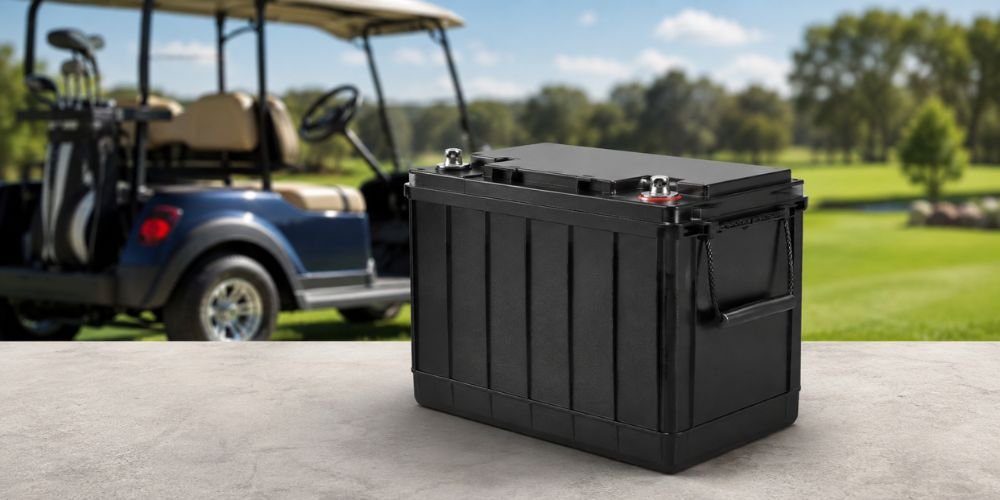
A golf cart can finish summer looking fine while its battery is already showing the strain. Hot afternoons, frequent short trips and repeated charging all leave a mark. The first warning may be subtle. The cart feels slower on a hill. Range drops a little. Charging takes longer than it did in spring.
Late summer is a good point for a proper battery check before cooler weather changes how often the cart is used. National Battery Supply covers several golf cart battery types, so the maintenance routine should match the chemistry already installed.
Start With the Battery Type
Flooded lead acid, AGM and LiFePO4 batteries do not need the same care. Treating them as though they do can create problems.
Flooded batteries need water checks. AGM batteries are sealed and should not be opened. Lithium batteries do not need watering at all. Their condition is usually judged through state of charge, charger behavior and battery management system information.
The Golf Cart Batteries page gives a useful overview of battery options used in carts.
The LiFePO4 Batteries section is also relevant when a cart already runs on lithium or is being evaluated for a future change.
Check What Summer Heat Left Behind
Heat is hard on batteries even when nothing looks obviously wrong. A cart parked in a closed garage or exposed area can spend hours sitting in high temperatures after a round.
Battery cases should be inspected for swelling, cracking, leakage or unusual discoloration. Cable ends deserve the same attention. A loose terminal can create resistance and heat. Corrosion around a post can interfere with current flow.
A small amount of grime may look harmless. Once moisture mixes with residue across the battery top, it can contribute to unwanted electrical paths. Cleaning also makes fresh leaks easier to spot later.
Any battery showing physical damage needs assessment before further charging.
Give Flooded Batteries a Water Check
Flooded lead acid batteries need more attention after a busy summer because charging causes water loss. Trojan Battery recommends checking electrolyte levels regularly and adding distilled water after a full charge. Water should not be added to the brim. Overfilling can push electrolyte out during charging.
If plates are exposed before charging, only enough distilled water should be added to cover them. The battery can then be fully charged before the final level is adjusted. Acid should never be added during routine watering.
That job belongs only to flooded batteries. AGM and lithium packs should never be treated this way.
Look Closely at Terminals and Cables
Summer use can loosen hardware gradually. Vibration from paths, roads and repeated stops works on connections a little at a time.
Each cable should sit firmly without movement at the terminal. Frayed insulation, darkened connectors or melted areas can point to overheating. Corrosion should be cleaned according to the battery maker’s instructions.
A cart that hesitates under load may have a battery problem. It may also have a poor connection. That distinction matters because replacing a healthy pack will not fix a loose cable.
Review the Charging Routine
A battery can lose life from poor charging habits long before it completely fails.
Flooded lead acid batteries should not spend long periods partly discharged. The charger also needs the correct profile for the installed chemistry. Lithium batteries normally require a compatible lithium charging setup. National Battery Supply’s guide to charging golf cart batteries covers these differences in more detail.
Late summer is also a sensible time to notice changes. A charger that suddenly takes much longer deserves investigation. So does a charger that shuts off unusually fast while the cart still has poor range.
The plug, cable and charger vents should be checked for damage or blocked airflow before the cart enters a quieter season.
Test Range Before Storage Begins
Battery decline often shows up during ordinary driving before a meter makes the problem obvious.
A familiar route is useful here. If the cart previously completed that route comfortably but now slows earlier, the change is worth recording. Tire pressure, added weight and terrain can also affect range, so battery condition should not be judged from one unusual trip.
The article on how long golf cart batteries last gives more context on age, use and charging habits that influence service life.
A battery that repeatedly loses range after a proper full charge may need a load test or professional evaluation.
Prepare for Less Frequent Use
End of summer often means longer gaps between drives. That change matters.
Flooded lead acid batteries should enter storage fully charged. Their charge level should still be monitored because they self discharge while sitting. Trojan notes that storage conditions and temperature influence that loss.
Lithium storage instructions vary by manufacturer. Some systems include a storage or sleep mode. Manufacturer guidance should take priority over a generic percentage copied from another battery brand. Trojan’s lithium guidance, for example, uses its own storage mode requirements.
The cart should also be kept somewhere dry with reasonable ventilation. Chargers and cables should not be left where water can collect around them.
Conclusion
A late summer battery check is mostly about catching small changes before they become a dead cart on the next outing. Water level, terminal condition, charging behavior and range tell a much clearer story when they are checked together.
For a cart being converted to a compatible lithium setup, the Golf Cart LiFePO4 Battery is available in several voltage and capacity configurations. Charger compatibility, system voltage and installation requirements still need to match the cart before any replacement is made.
Featured Posts
Request more information
National Battery Supply delivers dependable energy storage solutions tailored to commercial, industrial, and government applications. Our catalog ranges from custom battery manufacturing and UPS systems, portable power stations, to high-capacity solutions like whole-home battery energy storage systems (BESS) and scalable containerized energy storage units- engineered for reliability, flexibility, and rapid deployment.
We support critical infrastructure, telecom, data centers, healthcare, and remote operations with power systems built for performance in demanding environments. Whether it’s deep cycle batteries, lithium forklift replacements, OEM portable power kits, solar backups, and large-scale energy storage systems. We provide tailored solutions with short lead times, custom branding, and bulk pricing.
Our team also specializes in helping integrators, resellers, and developers source complete battery systems for residential microgrids, off-grid power stations, and industrial container setups. Whether you need to back up a home, energize a remote site, or manage facility-wide loads, we have the scalable energy storage options to match.
Contact us today to learn how our advanced power systems can reduce downtime, extend operational capacity, and support your long-term energy goals.

National Battery Supply is a reputable manufacturer specializing in custom battery solutions. With over 20 years of experience, we can manage all your power needs.
Batteries
Compliance
Copyright 2026 © National Battery Supply | UEI: Z66VQCUPCGL3 CAGE: 9UK94