- UEI: Z66VQCUPCGL3 CAGE: 9UK94
- +1 844-539-2555
- Sales@NationalBatterySupply.com

Troubleshoot Battery Protection Circuit and How to Solve Them
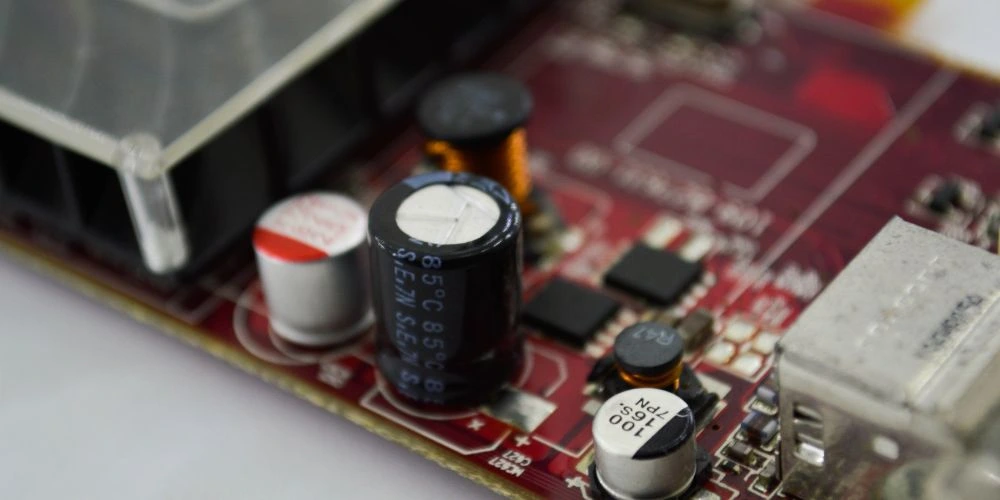
Do you sometimes keep buying batteries but your device still stays dead ?
This mystery often starts and ends with the battery protection circuit. These small but mighty circuits shield batteries from overcharging, deep discharge, shorts, and overload.
They stretch battery life, defend devices, and stop dangerous failures. You’ll spot them everywhere: lithium-ion packs in your phone, Li Polymer batteries in drones, or multi-cell packs driving industrial robots.
When trouble strikes, knowing how to troubleshoot these circuits gives your batteries and devices a fighting chance. This blog will solve that mystery so you gain confidence and results.
Learn About Battery Protection Circuits Before You Start
A battery protection circuit acts like a smart gatekeeper. At its heart, you’ll find a protection IC such as DW01, MOSFET switches, resistors, capacitors, and sensing elements.
This lineup watches your battery closely: when voltage rises past 4.4V or drops below 2.3V, or if a current surge pushes limits, the circuit steps in.
It disconnects the battery from the charger or load, stopping damage in its tracks. Protection ICs include either fast-acting latched types or circuits that auto-reset.
Designs range from simple single-cell boards to complex balancing systems that are found in multi-cell packs. Knowing which setup sits inside your device guides your fix.
Spot the Clues: Common Symptoms and Causes of Trouble
Protection circuit failures often leave clues. Your device may refuse to charge or power up.
Maybe it suddenly loses power when you least expect it. Open the battery pack, and you might spot burn marks, corroded traces, or bulging components.
The most common root causes include noise-induced faults, worn-out MOSFETs, corroded connectors, or glitches in the sensor.
Handle batteries or boards roughly, and you may risk static damage or cracked traces. Even time works against you because repeated charge/discharge cycles degrade sensitive electronics.
Looking into these symptoms early lets you tackle problems before batteries or devices pay the price.
Take Action: Step-By-Step Troubleshooting Process
Start with the basics: Use a trustworthy multimeter like the FLUKE 117 to check battery voltage at the terminals. For a multi-cell pack, probe each cell and watch for one that lags behind. A battery reading below 2.8V per cell calls for careful recharge instead of immediate testing.
Next, scrutinize the protection board. And look for burnt spots, swollen capacitors, broken connections, or rusty edges.
Test key components: Measure resistor and capacitor values, and then check the MOSFETs for short or open states.
Power up and measure voltage at the protected output (P+ and P– under load).
If results drift from normal, then try fixing or replacing only those that are proven bad.
Carefully reconnect and watch battery voltage as the device charges or runs.
If protections trigger without a clear reason, go back and recheck everything.
Reset or Repair Persistent Protection Problems
Sometimes, the circuit gets stuck and needs a nudge. Fully discharge the battery below the cutoff voltage, disconnect, and allow time for the board to reset.
Other times, a power cycle, which means removing all connections briefly, helps.
If you spot a failed resistor or MOSFET, you can swap just that part using OEM-specified replacements.
Yet, if the board shows heavy scorch marks, melted ICs, or repeated problems, a full board swap makes more sense.
Always solder carefully, keeping the workspace free from static. Afterward, you can use a smart charger, like the iMax B6, to gently bring the battery back online and watch for issues.
For vision into the future, check the temperature and voltage often. Protect the battery by avoiding deep discharges, heavy shocks, and bad charging habits.
Key Troubleshooting FAQs
Wonder why your battery refuses to power up, even when charged? Likely, the circuit guards against undervoltage or cell imbalance. Resetting the protection board with a careful recharge can fix it.
Unsure if your board is healthy? Consistent output voltage, cool running parts, and no protection triggers point to good health.
Thinking about bypassing the board? You don’t have to because these safeguards exist for serious reasons.
If the board triggers with no apparent cause, electromagnetic interference or layout issues might spell trouble. Proper shielding and right soldering matter.
Essential gear includes a multimeter, fine-tip soldering iron, and, for deeper tests there can be a temperature probe. Keep those close to chase down even stubborn faults.
Wrap Up and Test for Long-Term Success
Smart troubleshooting stops battery troubles before they cost you time, money, or equipment. The battery protection circuits can act as silent lifeguards and help in saving the packs from harm.
Featured Posts
Request more information
National Battery Supply delivers dependable energy storage solutions tailored to commercial, industrial, and government applications. Our catalog ranges from custom battery manufacturing and UPS systems, portable power stations, to high-capacity solutions like whole-home battery energy storage systems (BESS) and scalable containerized energy storage units- engineered for reliability, flexibility, and rapid deployment.
We support critical infrastructure, telecom, data centers, healthcare, and remote operations with power systems built for performance in demanding environments. Whether it’s deep cycle batteries, lithium forklift replacements, OEM portable power kits, solar backups, and large-scale energy storage systems. We provide tailored solutions with short lead times, custom branding, and bulk pricing.
Our team also specializes in helping integrators, resellers, and developers source complete battery systems for residential microgrids, off-grid power stations, and industrial container setups. Whether you need to back up a home, energize a remote site, or manage facility-wide loads, we have the scalable energy storage options to match.
Contact us today to learn how our advanced power systems can reduce downtime, extend operational capacity, and support your long-term energy goals.
National Battery Supply is a reputable manufacturer specializing in custom battery solutions. With over 20 years of experience, we can manage all your power needs.
Batteries
Compliance
Copyright 2026 © National Battery Supply | UEI: Z66VQCUPCGL3 CAGE: 9UK94