- UEI: Z66VQCUPCGL3 CAGE: 9UK94
- +1 844-539-2555
- Sales@NationalBatterySupply.com
Are LiFePO4 Batteries Waterproof?
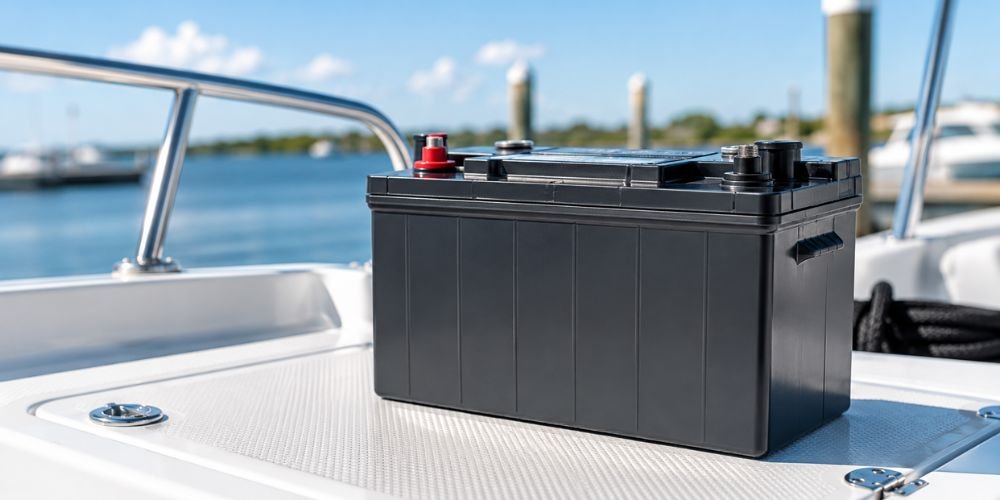
A battery rarely lives in perfect conditions. It gets placed in an RV storage bay. It sits under a boat seat. It goes into a solar shed where rain blows sideways in bad weather.
The honest answer is less neat than most product labels make it sound. Buyers should not trust the word waterproof until they check how the battery is built. For anyone comparing power options through National Battery Supply, the real concern is where the battery will sit and how much water it may face.
Is Every LiFePO4 Battery Waterproof?
No. Some LiFePO4 batteries are water resistant. Some are built for wet areas. Others belong in dry compartments only.
The difference is usually in the enclosure rating, terminal design, case seams and manual. A battery can have strong cells inside yet still be vulnerable if water reaches the wrong spot.
That is why waterproof should not be treated as a blanket promise. A battery made for a covered RV bay may not suit a boat compartment that collects water after every storm.
What Does Waterproof Really Mean?
Waterproof is one of those words that gets used too loosely. In battery listings, it may mean splash resistant, sealed against dust or protected against short contact with water.
The IP rating gives a clearer clue
Even a higher rating still needs common sense. Terminals should stay dry. Cables should fit well. The battery should not sit in standing water just because the case looks tough.
Where Does Water Usually Cause Damage?
Most trouble starts around the connections. Terminals look simple, but they are one of the first places moisture can create corrosion or weak contact.
Saltwater makes the risk worse. It can turn a clean connection rough in a short time. Boat owners, coastal users and anyone storing batteries near damp air should check connections more often.
Common warning signs include:
- Moisture around the terminals
- Green or white corrosion marks
- Loose cable connections
- A cracked case
- Unusual heat while charging
- Sudden power drop under load
Any incident of rain or a rough trip can induce a quick look at the terminals as they can catch moisture before it becomes an expensive battery problem.
Can It Be Used After Getting Wet?
A splash is not always a disaster. A soaked battery is different.
If a LiFePO4 battery gets wet, the owner should stop using it when safe. The outside should be dried first. The terminals, cable ends and case seams should be checked closely.
If water may have entered the case, charging should wait. The manual should guide the next step. If the battery smells burnt, feels hot, shows swelling or acts oddly, it should be checked before reuse.
How Can Owners Protect the Battery?
The best protection is not fancy. Keep the battery out of standing water. Raise it off the floor if the space can flood. Use a covered box when the setup allows it. Make sure the cables are not pulling against the terminals.
Owners should also avoid pressure washing near the battery. A battery that can handle rain spray may not be built for water forced into seams at close range.
Good habits help:
- Keep terminals covered
- Check after storms or long trips
- Clean corrosion early
- Leave space around the case
- Follow charger instructions
These steps sound basic. That is why they are easy to skip.
What Should Buyers Check First?
The right choice starts with the place the battery will live. A garage backup system has different needs than a fishing boat. A solar shed is not the same as a sealed RV compartment.
Before buying, the buyer should look for the IP rating, warranty notes, terminal style, charging limits and installation guidance. If a product only says waterproof with no rating, that is not enough information.
Bottom Line
LiFePO4 batteries can be excellent for RVs, solar storage, marine use and carts. Still, waterproof should never be assumed. The case rating matters. The installation spot matters. Terminal protection matters too.
For buyers who expect moisture, outdoor storage or rough use, choosing the right LiFePO4 batteries starts with honest conditions. A battery picked for the real environment is easier to trust and less likely to fail because water found a weak point.
Featured Posts
Request more information
National Battery Supply delivers dependable energy storage solutions tailored to commercial, industrial, and government applications. Our catalog ranges from custom battery manufacturing and UPS systems, portable power stations, to high-capacity solutions like whole-home battery energy storage systems (BESS) and scalable containerized energy storage units- engineered for reliability, flexibility, and rapid deployment.
We support critical infrastructure, telecom, data centers, healthcare, and remote operations with power systems built for performance in demanding environments. Whether it’s deep cycle batteries, lithium forklift replacements, OEM portable power kits, solar backups, and large-scale energy storage systems. We provide tailored solutions with short lead times, custom branding, and bulk pricing.
Our team also specializes in helping integrators, resellers, and developers source complete battery systems for residential microgrids, off-grid power stations, and industrial container setups. Whether you need to back up a home, energize a remote site, or manage facility-wide loads, we have the scalable energy storage options to match.
Contact us today to learn how our advanced power systems can reduce downtime, extend operational capacity, and support your long-term energy goals.
National Battery Supply is a reputable manufacturer specializing in custom battery solutions. With over 20 years of experience, we can manage all your power needs.
Batteries
Compliance
Copyright 2026 © National Battery Supply | UEI: Z66VQCUPCGL3 CAGE: 9UK94